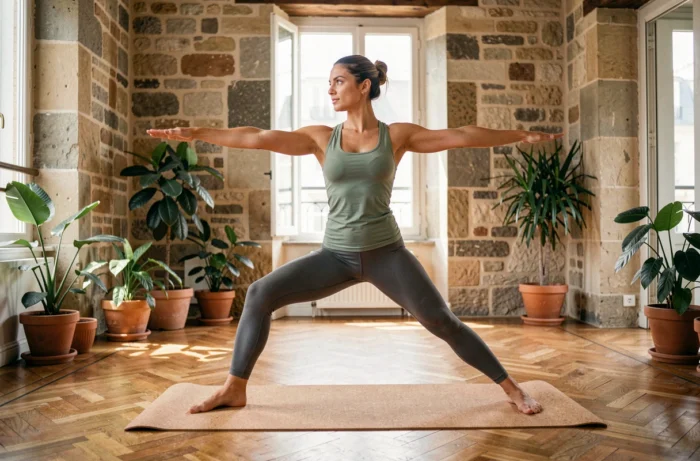
Yoga brings together nearly 11 million practitioners in France. Behind these numbers, the sector is going through a maturity phase where growth is slowing, practitioner profiles are diversifying, and the regulatory framework is tightening, particularly around training and civil liability for teachers.
Civil liability and online classes: a legal framework to clarify
Course formats have multiplied: videoconferencing, pre-recorded videos, residential retreats. This diversification creates concrete insurance ambiguity. Professional civil liability is not mandated by law for all independent teachers, but studios, communities, businesses, and booking platforms often require it.
The issue lies in the contracts. A teacher who films a vinyasa class in the studio to offer it later as a replay must ensure that their policy explicitly covers pre-recorded videos. Prenatal yoga, restorative yoga, and retreats have specific mentions in the guarantees.
A teacher who limits themselves to group classes in a studio remains within a classic insurance framework. As soon as they broadcast a class remotely, the coverage scope changes, sometimes without the teacher being aware.
Several resources closely follow these regulatory developments, and the news on Les Jardins Du Yoga helps keep informed about changes affecting the community of practitioners and teachers in France.

Yoga training and RNCP registration: what certification changes in 2026
The structuring of yoga teacher training has been progressing for several years. The registration of certain certifications with the RNCP (National Directory of Professional Certifications) marked a milestone. However, it is often misunderstood.
Registration with the RNCP does not equate to a state diploma for yoga teachers. It certifies a skill set and can, under certain conditions, open access to funding via the CPF. A RNCP-certified teacher has validated a specific reference framework, but they do not hold a title recognized at the same level as a university diploma or a state sports certificate.
The funding rules for these trainings will evolve in 2026. These changes concern professional training in a broad sense, not just yoga. Anyone considering a career change to yoga teaching should check the CPF eligibility conditions before making a financial commitment.
Criteria to check before choosing a training program
- Is the certification actually registered with the RNCP at the time of registration, and not simply “in the process of being submitted”?
- Does the program provide a sufficient volume of supervised practice hours? The actual content varies significantly from one school to another, even among programs of comparable duration.
- Does the school offer support on the administrative and insurance aspects after the training?
Therapeutic promises of yoga: a real legal risk for teachers
Claiming that yoga treats endometriosis, infertility, or a chronic condition exposes the teacher to legal action for illegal practice of medicine. The risk arises as soon as a teacher makes a diagnosis or claims to treat an illness, even without the intent to harm.
Everything hinges on the wording. Offering sessions tailored to individuals suffering from chronic pain is lawful. Claiming that one’s method “heals” or “cures” an identified condition is not.
The topic gained media visibility in 2026, with the publication of journalistic investigations into abuses in the yoga field. Some documented situations combine abusive therapeutic promises and phenomena of control, particularly during long residential trainings. These cases remain minority, but they push the profession to formalize clear boundaries between well-being support and medical practice.

Profile of yoga practitioners in France: who are the new audiences
The typical profile of a practitioner has changed. Men now represent 31% of practitioners, indicating a gradual broadening of the base.
Yoga is no longer reserved for an urban female audience aged 30-45. This broadening generates concrete needs for adaptation. Chair yoga, moderate-intensity sessions, and short formats meet the demand of audiences who do not find themselves in a traditional vinyasa class.
Teachers and studios that stand out are those targeting a specific audience with a tailored offer, rather than those maintaining a general catalog. Specialization is becoming a more effective differentiation lever than excessive diversification.
Three areas of specialization gaining ground
- Yoga adapted for seniors, with specific training for teachers wishing to work in nursing homes or retirement homes
- Corporate yoga, where demand remains strong around stress management and prevention of musculoskeletal disorders
- Prenatal and postnatal yoga, which requires additional training and dedicated insurance coverage
The yoga market in France has moved beyond the discovery phase. Practitioners expect more qualifications from teachers, institutions are pushing for better traceability of training, and the legal framework is gradually catching up with a profession that has long remained off the regulatory radar. The next step will depend on the ability of sector players to professionalize their practices without losing the accessibility that has brought yoga to the general public.